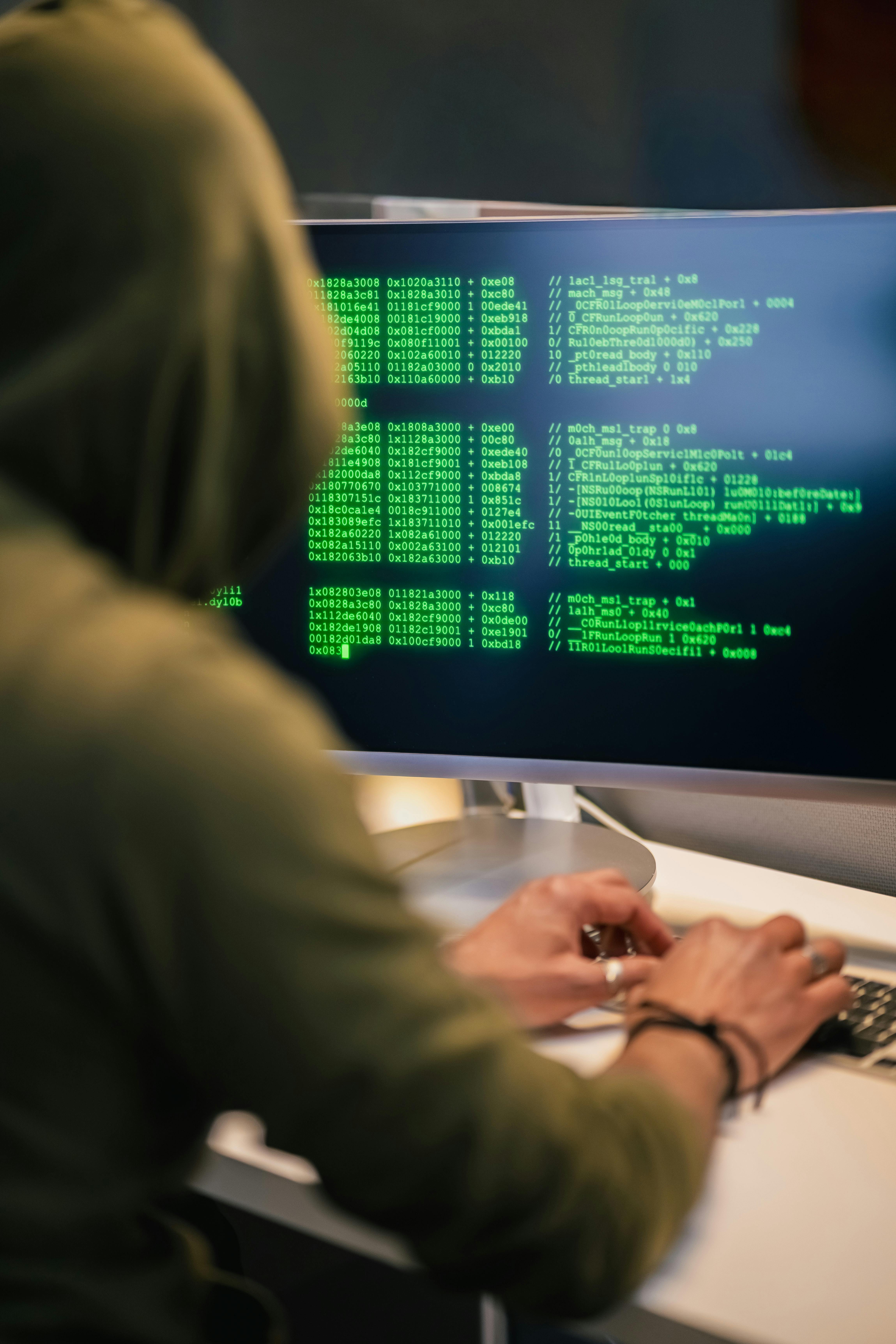
Over the past 18 months, South Africa has seen a dramatic increase in cyber attacks targeting small to medium-sized enterprises (SMMEs). These aren't sophisticated nation-state attacks—they're opportunistic hackers looking for easy money, and they've discovered that small businesses are often the path of least resistance.
The Hard Truth
According to recent reports, South Africa ranks among the top 10 countries globally for cyber crime. The average SMME loses between R300,000 to R2.5 million per security breach. What's worse? Over 60% of small businesses that suffer a major cyber attack close within six months.
How Hackers Are Targeting South African Businesses
The attackers aren't using complex methods. They're exploiting basic weaknesses that many business owners overlook:
1. Phishing Emails Disguised as SARS or Banking Alerts
Hackers send convincing emails pretending to be from SARS, major banks like FNB or Standard Bank, or even your own IT provider. One click on a malicious link and they've captured your login credentials. Several South African accounting firms have lost millions this way when hackers accessed client payment details.
2. Weak Passwords and Password Reuse
"Password123", "CompanyName2024", or using the same password across email, banking, and business systems—these are open invitations. Hackers use automated tools that can crack weak passwords in seconds.
3. Unpatched Software Vulnerabilities
Outdated versions of Windows, accounting software (like Pastel or Sage), or website platforms (like WordPress) contain known vulnerabilities. Hackers scan for these weaknesses daily.
4. Remote Desktop Protocol (RDP) Attacks
Many businesses use remote access to work from home or allow IT support. If not properly secured, hackers can brute force their way in and install ransomware within hours.
5. Personal Devices Used for Work
Employees downloading pirated software, games, or streaming from untrusted sites on their work laptops—this is a disaster waiting to happen. One infected personal download can compromise an entire company network.
Recent South African Cases
- Durban Manufacturing Firm: Lost R1.8 million to a CEO fraud email scam
- Johannesburg Law Practice: Held for ransom for 3 weeks, lost client confidential data
- Cape Town Retail Chain: Customer credit card details stolen through compromised POS system
- Pretoria Logistics Company: Operational shutdown for 5 days due to ransomware
Immediate Security Recommendations
You don't need a million-rand budget to improve your security. Start with these critical steps:
🔐 1. Implement Strong Password Policies
- Require passwords with at least 12 characters, including uppercase, lowercase, numbers, and symbols
- Never reuse passwords across different systems
- Use a password manager like Bitwarden or 1Password for your team
- Change all default passwords on routers, printers, and software immediately
- Implement Multi-Factor Authentication (MFA) on email, banking, and cloud services
📧 2. Train Your Team to Spot Phishing
- Never click links in unexpected emails—hover to see the actual URL
- Verify payment requests by phone call, not email reply
- Look for spelling errors, urgent language, and mismatched sender addresses
- Run regular simulated phishing tests on your staff
🖥️ 3. Enforce Strict Device Policies
- NEVER use work laptops for personal activities—no downloading games, movies, or pirated software
- No installing unauthorized software without IT approval
- Keep work and personal devices completely separate
- Use application whitelisting to prevent unauthorized software from running
🔧 4. Keep Everything Updated
- Enable automatic updates for Windows, macOS, and all software
- Don't ignore those "update available" notifications
- Patch accounting, CRM, and website software within 48 hours of security updates
- Consider using a patch management system
🎯 5. Hire Professional Penetration Testers
Penetration testing (pen testing) is one of the most valuable security investments you can make. Here's why:
- Think like a hacker: Ethical hackers attempt to break into your systems before the criminals do
- Find hidden weaknesses: They'll discover vulnerabilities you didn't know existed
- Get a roadmap: You'll receive a detailed report with prioritized fixes
- Compliance: Many clients and insurers now require regular penetration testing
A basic penetration test for an SMME typically costs R15,000 to R50,000—far less than the R300,000+ loss from a single breach.
💾 6. Implement the 3-2-1 Backup Strategy
- 3 copies of your data
- 2 different media types (e.g., local drive and cloud)
- 1 off-site backup (test your restores regularly)
Ransomware attackers can't steal what you can restore from backup.
Quick Wins You Can Implement Today
- ✅ Enable MFA on all email accounts (free)
- ✅ Change all default passwords (free)
- ✅ Run Windows Update (free)
- ✅ Review user access—remove old accounts (free)
- ✅ Disable RDP if not needed, or secure with VPN (free)
- ✅ Install an ad-blocker on all browsers (free)
- ✅ Create an incident response plan (one afternoon)
How Kamva Digital Can Help
At Kamva Digital, we understand that cybersecurity can feel overwhelming. Our team offers:
- 🔒 Security Audits: Comprehensive assessment of your current security posture
- 🎯 Penetration Testing: Ethical hacking to find vulnerabilities before criminals do
- 👥 Staff Training: Practical, engaging cybersecurity awareness sessions
- ⚙️ Managed Security: Ongoing monitoring, patching, and threat detection
- 📋 Policy Development: Custom security policies tailored to your business
- 🛡️ Incident Response: When you need help fast, we're here
Don't wait until you become a statistic. The cost of prevention is always less than the cost of recovery.
Ready to strengthen your security?
Contact Kamva Digital for a no-obligation security consultation.
Get in Touch →
Comments 0
No comments yet. Be the first to share your thoughts!
Leave a comment